
-
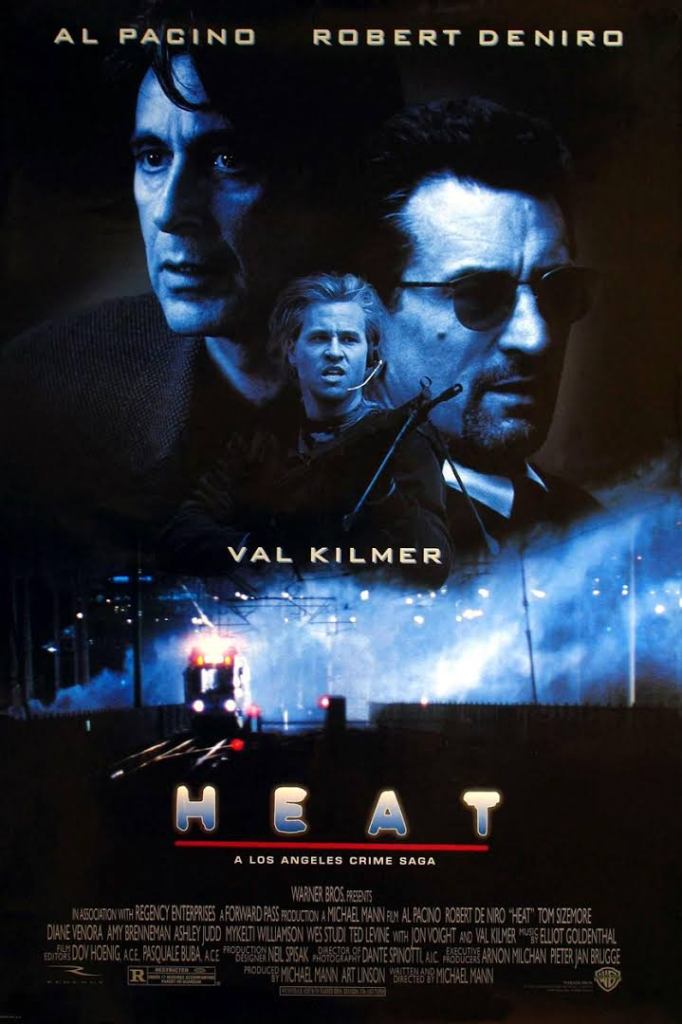
Okay, so I’m still taking a break from writing and viewing some Bela Tarr films. I’ve had the most random urge to rewatch some films as of late. So, there’s been a massive heat wave this week and yes it’s the middle of summer, so what better movie to watch that really captures the essence of this blazing hot weather? Michael Mann’s 1995 film, Heat is in the top 10 of best heist movies that I’ve come across after scouring the internet. What makes Heat so incredible is the caliber of professionalism between Al Pacino’s character Lieutenant Vincent Hanna chasing…
-
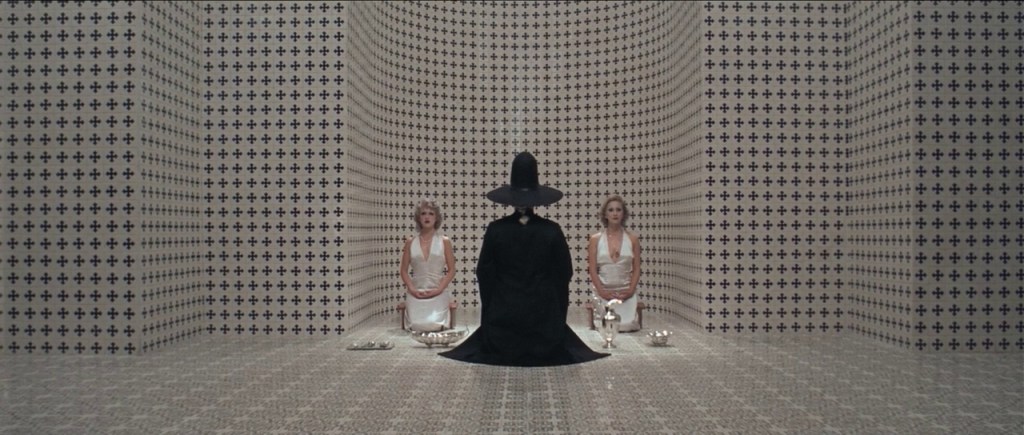
Setting aside my marveling of Bela Tarr films, I’m detouring with a film I heard about from a Father John Misty interview. I was curious and well, it led me down an extremely deranged, nearly unfathomable, grotesque art film that’s traumatized my mind for the past couple of weeks. So, it’s going to be highly benefitial for me to therapeutically write about it. Chilean director, Alejandro Jodorowsky’s, The Holy Mountain was released in 1973, and you can bet your bottom dollar he was on LSD, mushrooms, and was probably sleep deprived to create such masterful insanity. The film was released…
-

Bela Tarr’s style emerges quite fiercely in this bleak, confusing story of five misfit characters living under the same roof. Again, emotions are running high and again, you’re going to feel claustrophobic but it has an alluring affect, I promise. It’s practically, hypnotic. I can’t explain it, it just works. Probably due to the quote that’s presented to us in the opening of the film which states, “Even if you kill me I see no trace. This land is unknown. The devil is probably leading. Going round and round in circles.” This is a quote by Russian poet, Alexander Pushkin…
-
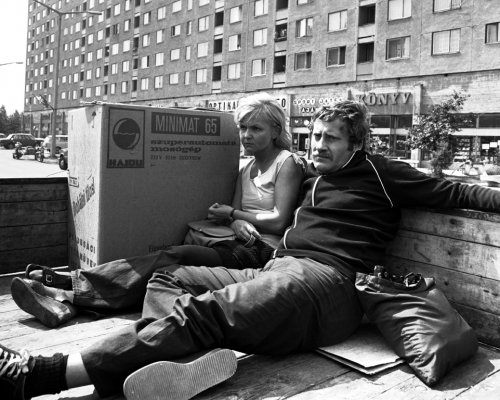
Relationships can be a messy thing if not cared for properly and perhaps love is a mysterious thing too. With that in mind, Bela Tarr’s third cinéma-vérité film, The Prefab People (1982) reflects on the spiraling relationship of a working class family where a surge of emotions run high while the demise of the marriage is inevitable. It’s dark, and depressing, nonetheless it’s a chunk of reality that occurs everyday to everyday people in the real world. What’s compelling, is Tarr’s interest in the same subject matter about how harsh life can genuinely be and how everyday people handle it.…
-

In Bela Tarr’s, The Outsider (1981) there’s a very realistic tone similar to the nature of documentary filmmaking. However, unlike his first feature, Tarr chooses to shoot in color instead of black and white. The premise focuses on Andras, a violinist roaming about from working a job in a mental institution to finding work in a cable factory to eventually becoming a disc jockey. He marries Kata but can’t seem to find any genuine happiness, through mundane everyday problems such as paying the rent and worrying about what to do with one’s life. It’s like watching a nomad making a…
-
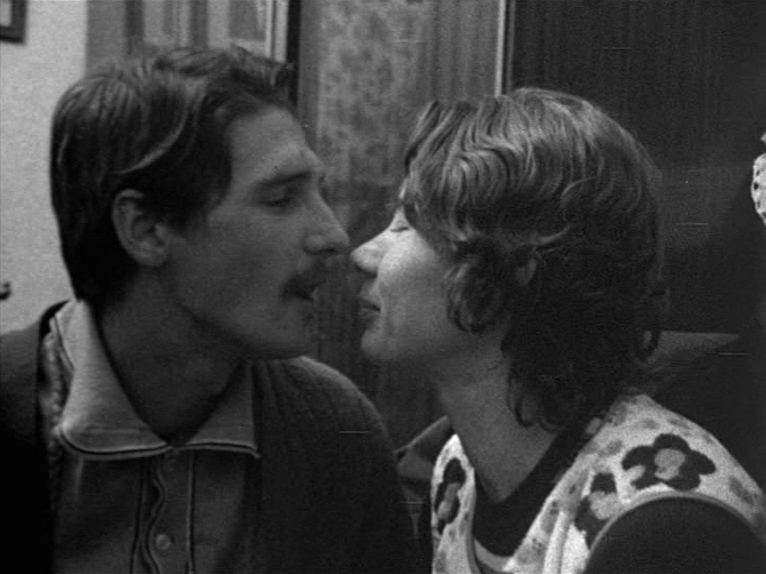
Béla Tarr’s 1979 black-and-white drama, Family Nest is an impressively poignant film about a scarcely, close-knit, verbally, venomous family of six living in a tiny apartment in the Communist land of Hungary. Being that this was one of Tarr’s first films, it reeks of bleak insight of the everyday life of a family struggling to live together. It’s similar to 1987’s Moonstruck except it’s not in a big New York Apartment with an Italian family yelling over Loreta’s love life during an early morning breakfast. Tarr gives us an uncomfortable, let’s-get-cozy, spiteful Hungarian family quarreling in a tiny apartment at…
-
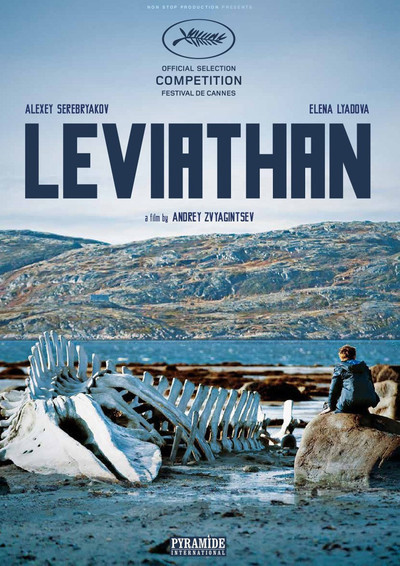
Andrey Zvyagintsev’s Leviathan permeates of allegorical, and biblical vibes so much that it underscores an essential point about bureaucratic big wigs versus your average Joe kind of a guy. Big fish always eats the little fish. It’s about man fighting the power with copious amounts of vodka, a flared temper, who coincidentally likes to shoot his classy guns at prominent pictures of Russian leaders from yester-year. The story resides in a Northern seaside village of Russia where Koyla, a rough-neck, car mechanic is threatened by the big fish scum bag of a mayor, Vadim, who steals Koyla’s home and land,…
-

Lars Von Trier’s grisly film, Antichrist has a plethora of abysmal attributes for a horror, erotic, and somewhat meditative art film. The common recycled plot line about characters enduring a trauma that triggers their psyche to do insane things to rectify their innermost turmoil which consequently, mimics similar films (with less trauma) such as the Machinist, Bellflower, and even the mini-series the Leftovers all of which bathe in the same grief-guilt-ridden tub. So, what makes Antichrist stand out other than the fact that Lar Van Trier tributes his entire film to Andrei Tarkovsky which, makes me raise a questionable eyebrow?…
-
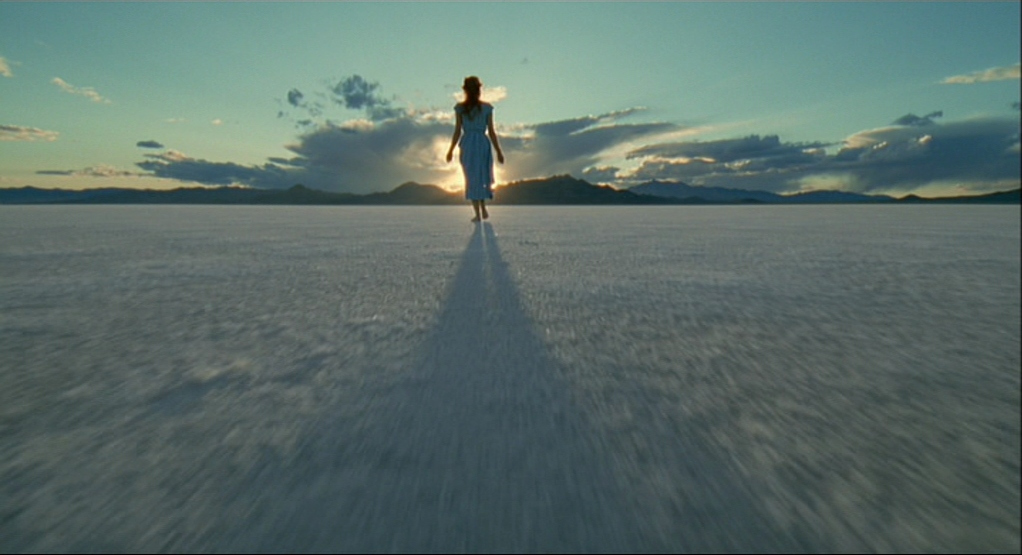
Terrence Malick’s Tree of Life is challenging, complex, and captivating which are all great ingredients for a mind-boggling experience. It exhibits a dynamic and evolving metamorphosis on a contemplative question of whether one should live the way of nature or live the way of grace. Two contrasting ideologies that complement and conflict with each other. As it’s narrated in the opening of the film: “Grace doesn’t try to please itself and Nature only wants to please itself.” And yet, the Tree of Life feels like it’s a super-hyper-active version of Andrei Tarkovsky’s the Mirror which idiosyncratically stands alone from a…
-
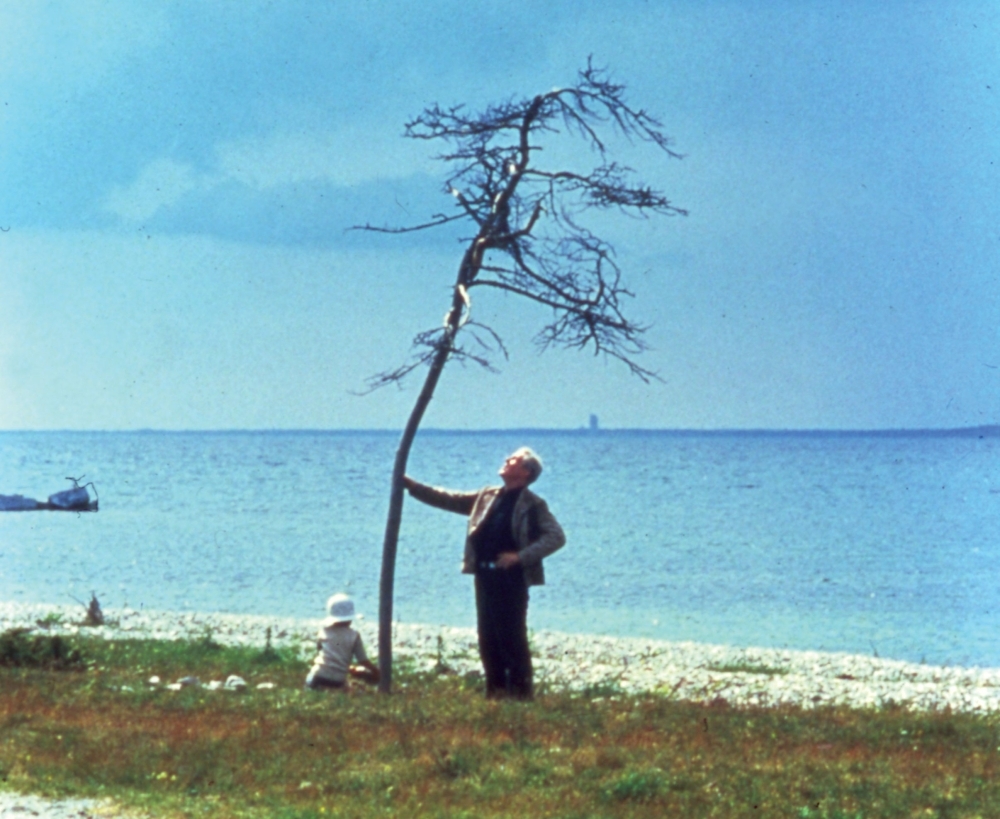
It’s difficult to fathom that Sacrifice would be Andrei Tarkovsky’s final film, because there’s a significant grace in his artistic conviction for delivering a very humane story about coming to terms with one’s own demise. The story is about Alexander, who’s celebrating his birthday with his estranged family in a house that feels somewhat like it’s on the desolate outskirts of a misplaced world known as purgatory. Most of the dialogue between Alexander and his family all seem to reminisce about the past, which is something that’s often examined when someone is close to death’s doors. However, in the midst…
 Marissa The Cinephile